City Nature Challenge and FoCoMX

I know a lot of us are trying to decide how to spend our time this weekend. Do we get out in nature to capture observations for the City Nature Challenge (learn more about City Nature Challenge here)? Or do we engage in the time-honored tradition of wandering around Old Town Fort Collins catching random shows and discovering new local music (learn more about FoCoMX here)?

Good news: you don’t have to choose!

While meandering old town taking in shows, just keep an eye out for any bugs, critters, or wild plants that you could snap a picture of on your way to the next venue.

Some tips for urban nature observing:

  • Wild nature can be found anywhere, even in the middle of a city. Look for weeds pushing up through the cracks in a sidewalk, mosses growing on brick buildings, birds perching in landscaping trees, or pollinators visiting flower pots.
  • You may have heard that “Captive and cultivated” organisms (in other words, anything placed or being maintained by humans) don’t count for the City Nature Challenge, and that is true! However, they can still be useful.
    • “Captive and cultivated” organisms like landscaping plants can be uploaded to iNaturalist even though they won’t count toward the City Nature Challenge. In fact, it can be useful information for scientists. It can tell them what kinds of plants are attracting pollinators to an area, what kinds of planted trees may be propagating, etc. Just make sure you mark your observation as “Captive/Cultivated” so as not to confuse the data!
    • While “Captive and Cultivated” organisms don’t count toward the City Nature Challenge,
      organisms that they host do! Look for birds in branches, bugs on leaves, mushrooms or moss
      growing on bark — anything not intentionally placed or maintained by humans is considered
      wild.
  • Remember: the pictures you take for your observations don’t have to be pretty or perfect, they just have to be evidence of the presence of an organism.
    • While there are some incredible photographers on iNaturalist, it’s not a photography platform. The main purpose is to document wild nature where we live!
    • If you are running from one venue to another to catch the start of a set and can’t stop to do a full photoshoot for that grasshopper you spotted, that’s okay! Grab the best photo you can and keep running to make it to that show!

Get inspired for your FoCoMX City Nature Challenge adventure by checking out other observations that have been made in Old Town

Continue Reading

City Nature Challenge: How to Play!

Become a Larimer County Naturalist!

The City Nature Challenge returns this April! Join a worldwide movement to document nature and help fight biodiversity loss! Every observation you make of WILD nature in Larimer County is a data point that helps scientists and researchers understand and protect nature for all.  

This post will tell you everything you need to know – from how-to-play to local City Nature Challenge events.

In short:

City Nature Challenge is a four-day event from April 24-27. Part friendly competition and part collaborative effort, cities all over the world vie to see who can get the most observations uploaded to iNaturalist in just one weekend. Anyone can participate by uploading observations of wild animals, bugs, fungus, or plants found in Larimer County!

See the bottom of this post for a list of local City Nature Challenge events.

In long:

What is City Nature Challenge?
The City Nature Challenge (CNC) is an annual four-day nature census in which participants
around the world use document nature in their neighborhoods. This data help scientists understand
and protect nature worldwide. Started in 2016 as a friendly competition between Los Angeles and San Francisco,
the CNC has grown into an international event. The goal is for cities to collaborate to find species, collect observations,
and connect communities to nature. The Community Science teams at the California Academy of
Sciences (CAS) and the Natural History Museum of Los Angeles County (NHM) make up the
Global Organizing Team.

What is iNaturalist?
iNaturalist is a platform that anyone can use. You can upload pictures or sound clips of species you’ve observed, then the iNaturalist community helps identify those species. Once an observation has been identified, it’s uploaded into databases that scientists use for biodiversity and other ecological studies. It’s a way we can all help contribute to better understanding our local ecosystem!

iNaturalist is the platform Larimer County will be using for our City Nature Challenge observations — any observations made to iNaturalist from within Larimer County during the challenge will automatically count toward Larimer County’s score! You can download the app for free or visit inaturalist.org to use the browser version.

How to Play

Participating in City Nature Challenge is as easy as 1-2-3!

  1. Observe
    From April 24 – 27, 2026, get outside and take photos or record sounds of nature where you live. Look for WILD plants, animals, fungi, etc. (“wild” means it was not put there by people and is not being taken care of by people.) Take a close look at the plants around you. Are there any insects or spiders on them? How many different types of birds can you find in your local park? Put on your nature eyes and see Larimer County in a whole new way!
  2. Upload
    Download the iNaturalist app or create an account on inaturalist.org, and upload your observations. Be sure to include a rough location and time of day.
  3. Identify
    From April 28-May 10 help identify observations that have been uploaded in the Larimer County City Nature Challenge project! Even if the best you can tell is whether it’s an animal or plant, everyone can help narrow IDs down and get us closer to a species ID!

Two Ways To Play:

  • Observer — Get outside anywhere within Larimer County from April 24-27 and make observations in nature. Upload your observations to iNaturalist to have them contribute toward the Larimer County City Nature Challenge AND contribute to ongoing biodiversity research!
  • Identifier — Keep an eye on the Larimer County City Nature Challenge project page on iNaturalist and help identify observations that are uploaded. You don’t need any prior knowledge or expertise to be an identifier; even narrowing an observation down to “animal” or “plant” helps!

Local City Nature Challenge Events

City Nature Challenge can be enjoyed on your own or with others. Here’s how you can participate:

City Nature Challenge Orientation Sessions – Hosted by Loveland Public Library and Loveland Open Lands and Trails 4/11 and 4/21
11:30-1:00 at the Gertrude Scott Meeting Room in Loveland Public Library, 300 N. Adams Ave, Loveland
The
City Nature Challenge, April 24-27, is a friendly, global quest to see which city can document the most species in support of scientific research and biodiversity conservation. This is your chance to become a citizen scientist, let’s see what we can find!  

Come to this orientation session in advance of the event to learn more. Open Lands & Trails staff will first discuss how to use the iNaturalist app and make quality observations in the Gertrude Scott Room. Then we’ll head outdoors to the Civic Center Park to practice.
Registration Link

How to Use iNaturalist – Hosted by Larimer County Natural Resources 4/24
9-11am at the Larimer County Natural Resources Admin Offices, 1800 S County Rd 31, Loveland.
Using iNaturalist, participants will learn key features of plants and animals and contribute to the body of crowd-sourced scientific knowledge that is iNaturalist. All observations made in Larimer County will contribute towards the annual City Nature Challenge.
Registration Link

Bio Blitz — Hosted by Loveland Open Lands and Trails 4/24-4/27
From April 24-27, document as many wild species as possible using iNaturalist. Participate on your own or join OL&T staff and volunteers for assistance at selected Natural Areas. Check the Open Lands Calendar for details coming soon, on dates and locations to join Open Lands & Trails on-site. 

Pineridge Banding Station — Hosted by Bird Conservancy of the Rockies 4/25
7:30-8:30 or 8:30-9:30 at the Pineridge Natural Area Banding Station, 3502 CR 42C, Fort Collins
Migration is a magical time of year! Join us for a unique opportunity to experience science in action and observe a wildlife biologist banding and collecting important scientific data on live, migrating birds. The data collected gives us insight to many aspects of avian life history and can be used to inform conservation decisions.
 

This program is provided at no cost to participants due to generous support from donors, but registration is required for all individuals and groups. Groups are limited to 15 people per one hour time slot.
Registration Link

City Nature Challenge ID Party! — Hosted by Fort Collins Museum of Discovery 5/2
2:00-4:00 at Fort Collins Museum of Discovery, 408 Mason Ct, Fort Collins
Now that City Nature Challenge is over, the real work begins.
All of our amazing observations of local nature can only assist with biodiversity research once they’ve been identified! Join us at the museum to meet up with other City Nature Challenge Participants. You’ll learn a bit about how to ID observations in iNaturalist and do your part for ongoing biodiversity research!
No wildlife knowledge or expertise required.
Registration Link

City Nature Challenge ID Party! — Hosted by Loveland Public Library and Loveland Open Lands and Trails 5/2
12:00-2:00 at the Gertrude Scott Meeting Room in the Loveland Public Library, 300 N. Adams Ave, Loveland
Join other nature lovers for a fun ID Party to help correctly identify as many observations as possible. Instructions and snacks will be provided
.  See the 
Library Calendar for details. 

Continue Reading

The Human Library 2026

Unjudge someone – Join us for The Human Library®! 

“Being Me in Fort Collins” 

Typical libraries offer print books and digital eBooks for check out, but The Human Library® allows participants – or Readers – to borrow a human Book and engage in conversations about their unique stories, particularly their experiences in Fort Collins regarding their identity/identities. The Human Library program creates a safe and non-judgmental environment for curious and often taboo conversations that will challenge prejudices and promote understanding of differences. The program encourages all participants to “unjudge” a human Book by its cover.  

During this three-hour program, you, as a Reader, will have the opportunity to check out four human Books – community volunteers who have been subjected to prejudice, stigma, or discrimination because of their lifestyle, diagnosis, belief, social status, ethnic origin, or disability. The hope is that everyone, Readers and Books, gain new understandings that advance acceptance and inclusion among diverse groups.  

Fort Collins Museum of Discovery is honored to help facilitate this powerful event with our partners, City of Fort Collins, Poudre Libraries, and the Yarrow Collective, and with generous support from City of Fort Collins, Fort Collins Area Interfaith Council, and our local community.  

Please join us for the Human Library – a safe and non-judgmental forum for people to engage in difficult conversations and gain a deeper understanding of diverse human experiences. Note: Under 18 Readers need to be accompanied by an adult.  

Sunday, February 22nd, 2026  

2:00-5:00pm  

The Fort Collins Museum of Discovery  

408 Mason Court  

Fort Collins, Colorado 80524  

While participation is free, we ask that you preregister prior to arrival. 

This program contains adult themes. Youth participants must be accompanied by an adult caregiver at all times.  

Museum exhibits are closed for this program. 

For more information about the Human Library, please visit www.humanlibrary.org.  


Desjuzga a alguien – ¡Visita la Biblioteca Humana®!  

“Siendo yo en Fort Collins”
 

INSCRIPCIONES ABIERTAS A PRINCIPIOS DE ENERO 

Las bibliotecas tradicionales ofrecen libros, tanto impresos como electrónicos, pero la Biblioteca Humana® permite a sus participantes, o Lectores, tomar prestado un Libro humano para entablar conversaciones sobre sus historias, particularmente sus experiencias en Fort Collins con respecto a su identidad. El programa de la Biblioteca Humana crea un entorno seguro y sin prejuicios para mantener conversaciones curiosas y, a menudo, tabú que desafiarán los prejuicios y promoverán la comprensión de las diferencias. El programa alienta a todos los participantes a “desjuzgar” un libro humano. 

Como Lector tendrá la oportunidad de consultar cuatro Libros humanos durante este programa de tres horas, voluntarios de la comunidad que han sido objeto de prejuicios, el estigma o intolerancia debido a su estilo de vida, condición médica, creencias, estatus social, origen étnico o discapacidad. El objetivo es que todos, tanto Lectores como Libros, obtengan nuevos conocimientos que promuevan la aceptación y la inclusión entre diversos grupos. 

Nos sentimos honrados de ayudar a facilitar este poderoso evento junto a nuestros socios, la Ciudad de Fort Collins, las Bibliotecas Poudre, y Yarrow Collective, con el generoso apoyo de la Ciudad de Fort Collins, Fort Collins Area Interfaith Council, y nuestra comunidad. 

Acompáñenos en la Biblioteca Humana: un foro seguro y sin prejuicios para que las personas participen en conversaciones difíciles y obtengan una comprensión más profunda de las diversas experiencias humanas. Nota: Los Lectores menores de 18 años deben estar acompañados por un adulto. 

 Domingo, 22 de Febrero de 2026 

2:00-5:00 PM 

Museo del Descubrimiento de Fort Collins 

408 Mason Court 

Fort Collins, Colorado 80524 

Entrada gratuita, pero les pedimos que se inscriban antes de llegar. 

Este programa contiene temas para adultos. Los participantes jóvenes deben estar acompañados por un adulto responsable en todo momento.   

Las exhibiciones del museo estarán cerradas durante este programa. 

El museo puede ofrecer servicios de interpretación al español con aviso previo. Para solicitar este servicio durante la Biblioteca Humana, o para preguntas generales y reservar tu boleto en español, por favor contáctenos en espanol@fcmod.org. 

Para obtener más información sobre la Biblioteca Humana, visite www.humanlibrary.org. 

Continue Reading

Get Ready for City Nature Challenge!

At the end of this month, Fort Collins will be participating in City Nature Challenge; are you ready?

City Nature Challenge is a friendly competition between cities all over the world to see who can rally their population to log the most observations in iNaturalist in a set period of time. This year, City Nature Challenge is happening from April 25-28.

Joining the Fort Collins City Nature Challenge team is easy!

  1. Download the iNaturalist app
    1. Optional: You can also download Seek by iNaturalist, which has an in-app camera that helps identify species you point it at, and connects to your iNaturalist account
  2. Get outside the weekend of April 25th
  3. Upload pictures of plants, animals, bugs, or fungus to your iNaturalist account

Any observations uploaded to iNaturalist from within Fort Collins city limits between April 25th-28th will automatically count toward our score.

You can visit the City Nature Challenge project in iNaturalist by clicking here for all the details.

To learn more about how to use iNaturalist to contribute to ongoing biodiversity research, click through the link below!

iNaturalist and Participatory Science

If you’d prefer a hands-on tutorial, click here to sign up for our free iNaturalist workshop on Sunday, April 20th

Continue Reading

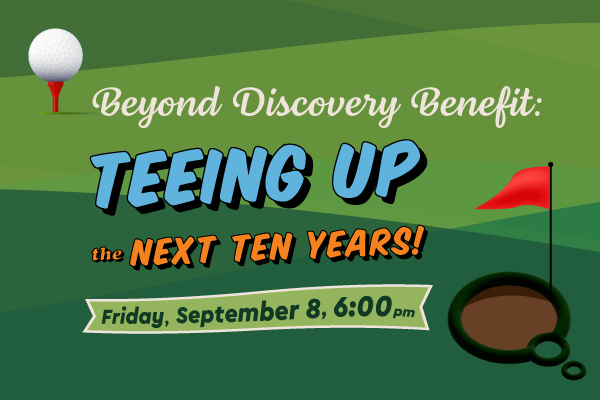
Beyond Discovery Benefit: Teeing Up the Next Ten Years!

Friday, September 8th 2023

6:00pm-9:00pm

Please mark your calendars for Fort Collins Museum of Discovery’s first fundraising event since 2019. This exciting community event will culminate the 10-year Anniversary celebration of the museum while also seeding our vision to inspire inquisitive thinkers and encourage responsible stewardship of the future. Sponsor opportunities are available through July 15. Tickets are on sale now!

Click here to learn more and get your ticket!

Continue Reading

Being “Me” In Fort Collins/ Siendo “yo” en Fort Collins

As of 2/25 registration has reached capacity.
Thank you for the interest!

Sunday, February 26, 2023 | 2:00-5:00 PM* program starts right at 2
Fort Collins Museum of Discovery
408 Mason Court
Fort Collins, Colorado 80524

Typical libraries offer print books and digital eBooks for check out, but the Human Library® allows participants – or Readers – to borrow a human Book and engage in conversations about their unique stories, particularly their experiences in Fort Collins regarding their identity/identities. The Human Library program creates a safe and non-judgmental environment for curious and often taboo conversations that will challenge prejudices and promote understanding of differences. The program encourages all participants to “unjudge” a human Book by its cover.

As a Reader, you will have the opportunity to check out four human Books, community volunteers who have been subjected to bias, stereotyping, or intolerance due to their lifestyle, race, beliefs, disability, etc.  For example, a Reader may wish to converse with a Book who identifies as gay, Black, body artist, wheelchair user, etc. and explore their experiences in our community. The hope is that everyone, Readers and Books, gain new understandings that advance acceptance and inclusion among diverse groups.

Please join us for the Human Library – a safe and non-judgmental forum for people to engage in difficult conversations and gain a deeper understanding of diverse human experiences.

There is no charge for this program. For more information about the Human Library, please visit www.humanlibrary.org.

The Human Library program is sponsored by the City of Fort Collins Office of Equity and Inclusion, the Fort Collins Museum of Discovery, and the Poudre River Public Library District. This program is presented as part of the 2023 Fort Collins BookFest.


“Siendo yo en Fort Collins”

Las bibliotecas tradicionales ofrecen libros, tanto impresos como electrónicos, pero la Biblioteca Humana® permite a sus participantes, o lectores, tomar prestado un libro humano para entablar conversaciones sobre sus historias, particularmente sus experiencias en Fort Collins con respecto a su identidad. El programa de la Biblioteca Humana crea un entorno seguro y sin prejuicios para mantener conversaciones curiosas y, a menudo, tabú que desafiarán los prejuicios y promoverán la comprensión de las diferencias. El programa alienta a todos los participantes a “desjuzgar” un libro humano.

Como lector tendrá la oportunidad de consultar cuatro libros humanos, voluntarios de la comunidad que han sido objeto de prejuicios, estereotipos o intolerancia debido a su estilo de vida, raza, creencias, discapacidad, etc. Por ejemplo, un lector puede conversar con un libro que se identifique como gay, negro, artista del cuerpo, usuario de silla de ruedas, etc. y explorar sus experiencias en nuestra comunidad. El objetivo es que todos, tanto lectores como libros, obtengan nuevos conocimientos que promuevan la aceptación y la inclusión entre diversos grupos.

Acompáñenos en la Biblioteca Humana: un foro seguro y sin prejuicios para que las personas participen en conversaciones difíciles y obtengan una comprensión más profunda de las diversas experiencias humanas.

Domingo, 26 de febrero de 2023
2:00-5:00 PM
Museo del Descubrimiento de Fort Collins
408 Mason Court
Fort Collins, Colorado 80524

Admisión gratuita. Para registrarse, haga clic aquí 

Para obtener más información sobre la Biblioteca Humana, visite www.humanlibrary.org.

La Biblioteca Humana está patrocinada por la Oficina de Equidad e Inclusión de la ciudad de Fort Collins, el Museo del Descubrimiento de Fort Collins y el Distrito Bibliotecario Público Poudre River. Se presenta como parte del Festival del Libro de Fort Collins 2023.

Continue Reading

The Neuroscience of Cooperation   

Post written by Jenny Hannifin, Archive Assistant

The Neuroscience of Cooperation     

Back in May 2020 we posted a blog called “The Neuroscience of Discovery.” Based on observations from The Brain in Context (by J.D. Moreno and J. Schulkin), that blog highlighted – in scientific terms – how our brains are wired for discovery and exploration. 

Turns out that our brains are also wired for cooperation and empathy. Here are a few excerpts from the book

  • “Perceiving another’s misfortune, their psychic or literal pain, requires a wide array of both cortical and sub cortical tissue.” (p 53-4)   
  • “Human evolution, like our cultural development, is marked by many neural/cognitive events, but social capabilities [are involved in] most of them.” (p 183)   
  •  “Cooperation is as critical as competition [in science], because we need to learn from one another and to develop new ideas.” (p 192)  

So, what does this mean to you and me? 

It means that humans evolved through expression of social behaviors, and through the integration of those behaviors within the very functioning of our brain.   

It means that adapting socially, and being good at interacting with others, is at the heart of our evolution as a species. 

It means that “although we may think of ourselves as individuals, the truth is that we are designed to work together, revealing our evolutionary drive toward social cooperation and our neurodevelopmental proclivity toward shared decision-making.” (Moreno and Schulkin p 199) 
 
It means that we are wired to cooperate, and to work at understanding each other.   
 
(If you want to learn more about recent developments in neuroscience, here’s a link to The Brain in Context: A Pragmatic Guide to Neuroscience by Jonathan D. Moreno and Jay Schulkin)

Continue Reading

National Beer Day

Post written by Alex Ballou, Marketing Assistant.

National Beer Day

It’s #NationalBeerDay and there is no better place to celebrate this holiday than our home – Fort Collins, Colorado!

History of National Beer Day

National Beer Day is celebrated annually on April 7. This day marks the signing of the Cullen-Harrison Act. The signing of this act led to the 18th Amendment being repealed, with ratification of the 21st Amendment to the constitution. This enactment took the first step toward ending the prohibition. Beer drinkers rejoiced as they were able to purchase beer again for the first time in 13 years!

Beer is now the world’s most widely consumed alcoholic beverage. Following water and tea, it is the third most popular drink overall. This was not a “sour” move to make!

Fun fact: April 6, the day before National Beer Day, is also known as, New Beer’s Eve.

Local Beer History

Fort Collins is sometimes referred to as the “Napa Valley of Beer.” Although alcohol arrived with the first settlers in Fort Collins, prohibition hindered the growth of the industry until 1969.

In 1980, the large beer company, Anheuser Busch, made a bid to open a brewery in the city. It took 8 years to get the city on board for the first brewery in Fort Collins. The plant began construction in 1988. In 1990, Doug Odell opened Odell Brewery Co. Soon after, New Belgium opened in 1991. Other breweries opened soon after these leaders in the industry. Fort Collins was one of the first to latch onto the craft beer movement. By 2010, a new generation of breweries, like Funkwerks & Equinox Brewing, emerged. According to Visit Fort Collins, the city is now home to over 20 local craft breweries!

The craft beer industry, with its emphasis on local breweries, plays a vital role in the communities economy and culture, this goes hand in hand with the outdoor recreation that is popular in Colorado.

How YOU can celebrate!

Celebrate today with a pint of your favorite local brew. Even if you are stuck at home, no worries! You can order beer from your favorite breweries in Fort Collins (please check the preferred brewery website for updated hours and delivery options).

Cheers! ?

Continue Reading

Animal Love Languages

Animal Love Languages

Love is in the air, and humans aren’t the only romantics in the world. Today we’re looking at the courtship rituals of the animal kingdom!

Do you know what your love language is? Is it words of affirmation like a sweet letter, quality time like a romantic night in, receiving gifts of flowers and jewelry, acts of service, or physical touch like a hug or a cuddle? Humans have different ways of showing affection, and so do animals. But instead of things like poetry, romantic getaways, and chocolates, animals have their own unique love languages. Which animal love language do you relate the most with?

The Singer
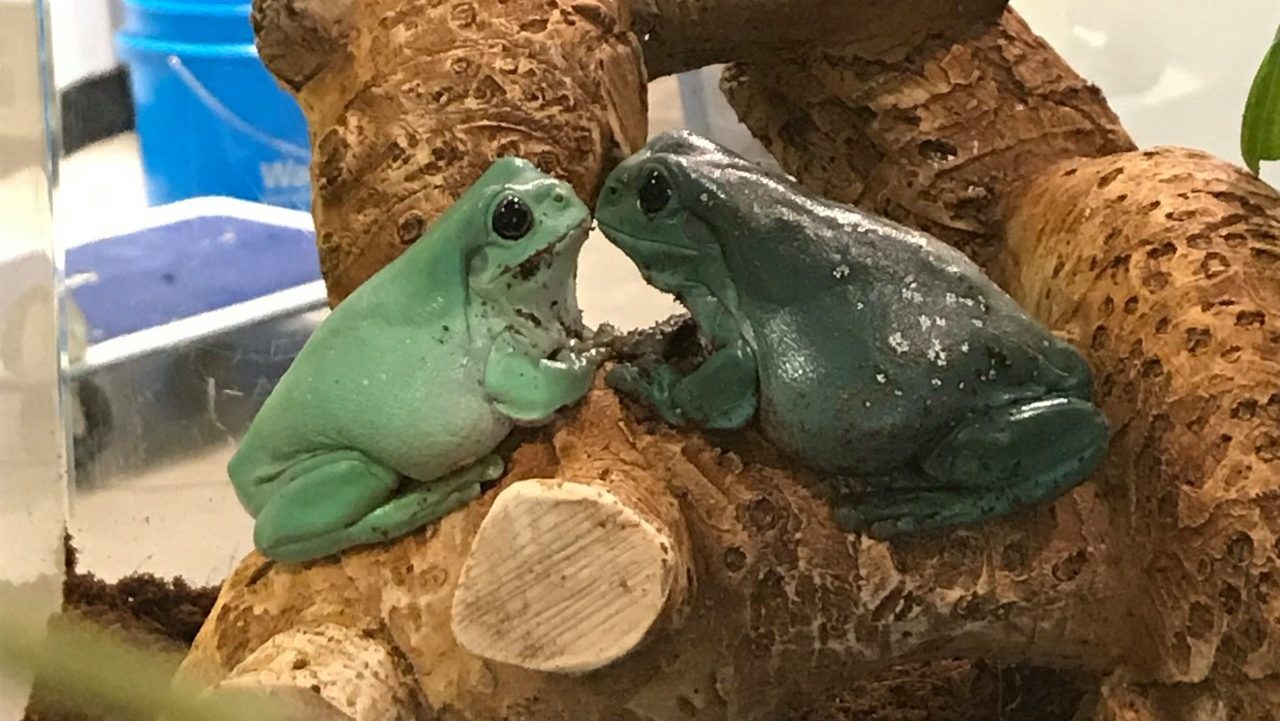
Much like the romantic poet, some animals like to shout their love from the rooftops. Frogs, birds, crickets, and even whales use their songs to attract mates, constantly trying to out-do their competition with the loudest and most attractive voice. Frogs even have regional dialects – members of the same species may have different croaks if they have originated from different places where their local songs are slightly different. And in places where there are several different species of frogs all singing at once – like in Florida, where the invasive Cuban tree frog has been introduced into the territory of native American green tree frogs – the frogs will purposefully alter their croaks to differentiate between species and avoid confusion.

The Dancer
But maybe you’re more of a visual person. There are plenty of animals whose main courtship rituals involve elaborate dances and displays of beautiful fur and feathers. But some animals forget the flashy outfits and just focus on their moves. Hirtodrosophila mycetophaga is a species of australian fly which performs mating displays on shelf mushrooms. The males wave their wings around and perform a dance – but only on lighter-colored fungi, as these mushrooms act as a better backdrop for their performances. On darker fungi, they blend in too well, and females pass them by!

The Show-off
Not to be outdone, some animals go all in, with song, dance and color! Take the peacock spider: while you may be familiar with this small jumping spider’s namesake and its colorful plumage, this arachnid goes a step further and incorporates sound and movement into its mating display.

While displaying their brightly-colored abdomen, they wave their legs in an elaborate dance and create deep rumbling vibrations while they perform. The males who put the most effort into their displays, including both the dancing and vibrating, are more likely to get the girl.

The Collector
Some animals speak the love language of gift-giving. Native to New Guinea and Australia, bowerbirds build elaborate ‘bowers’ from nature to attract mates. First, the male Bowerbird gathers sticks and arranges them into an upright structure, often in the shape of an arch or an avenue. Then, he populates his bower with brightly-colored objects. These can be shells, flowers, even pieces of plastic and metal that he finds. Some bowerbirds even have favorite colors, and will collect only pieces that fit into their preferred color scheme! When she’s ready to find a mate, the female bowerbird tours the bowers of all the local males, and chooses the bird with the best crib to be her mate.

The True Romantic
But maybe you’re a real classical romantic. You want long walks on the beach, hand-holding, and slow-dancing. Don’t worry. Not everything is about flashy displays. Some animals like to take it slow, and build up deep bonds with their mates. Seahorses have an elaborate courtship process, with each step of the ritual being repeated again and again, often over the course of days. First, they meet and change colors, brightening in turns at each other. Then they grab hold of the same anchor-point and spin around each other in an elaborate dance with many distinct moves and steps, including leaning away, pointing, quivering and spinning. Finally, they end their dance by floating up through the water column together. While they might only be fish, seahorses are quite the romantics – they mate for life, and their specialized tails, used to anchor themselves to coral and seaweed, also allow them to “hold hands” with their significant other.

Happy Valentine’s Day from all of us at FCMoD!

Post written by Willow Sedam, Live Animal Husbandry Team Member

Continue Reading

#ArchivesBlackEducation

#ArchivesBlackEducation

Every month Fort Collins Museum of Discovery participates in a themed #ArchivesHashtagParty on Twitter. This month’s theme is #ArchivesBlackEducation in honor of Black History Month.

What is an #ArchivesHashtagParty you ask? That’s a great question! This article from the New York Times, The Record Keepers’ Rave, helps explain just that. Started by The National Archives and Records Administration of the United States, participating archives, museums, and libraries tune in to share a treasure trove of photos, stories, collections, and more.

For #ArchivesBlackEducation, the museum shared the following on Twitter (@focomod) of our local history from the Archive & Collections at FCMoD.

Let’s get started, shall we?

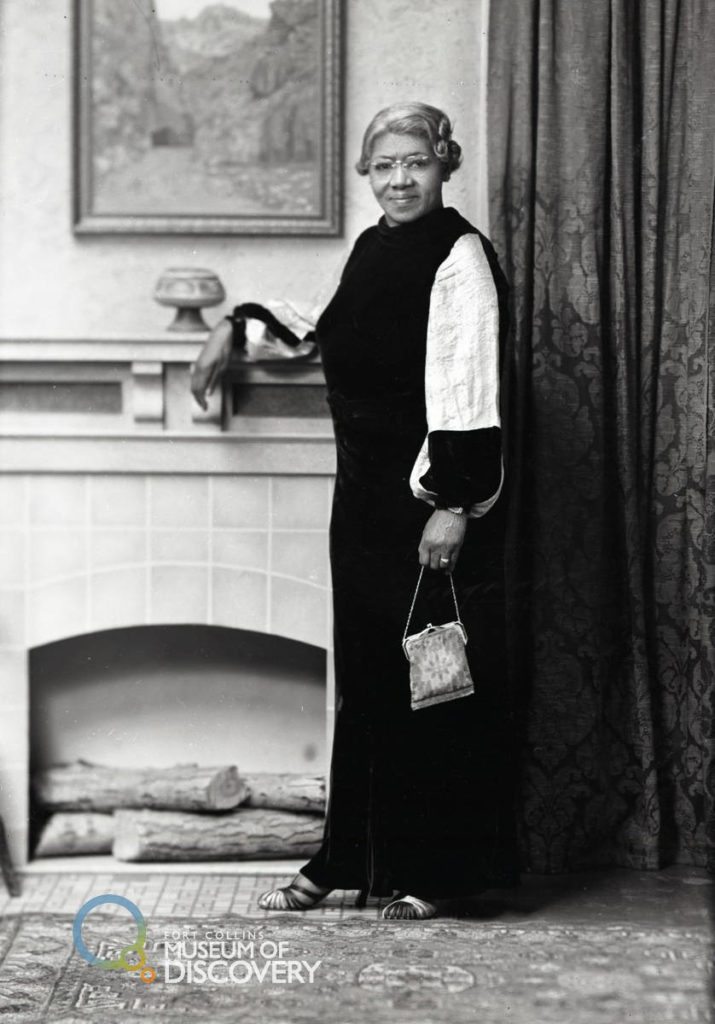
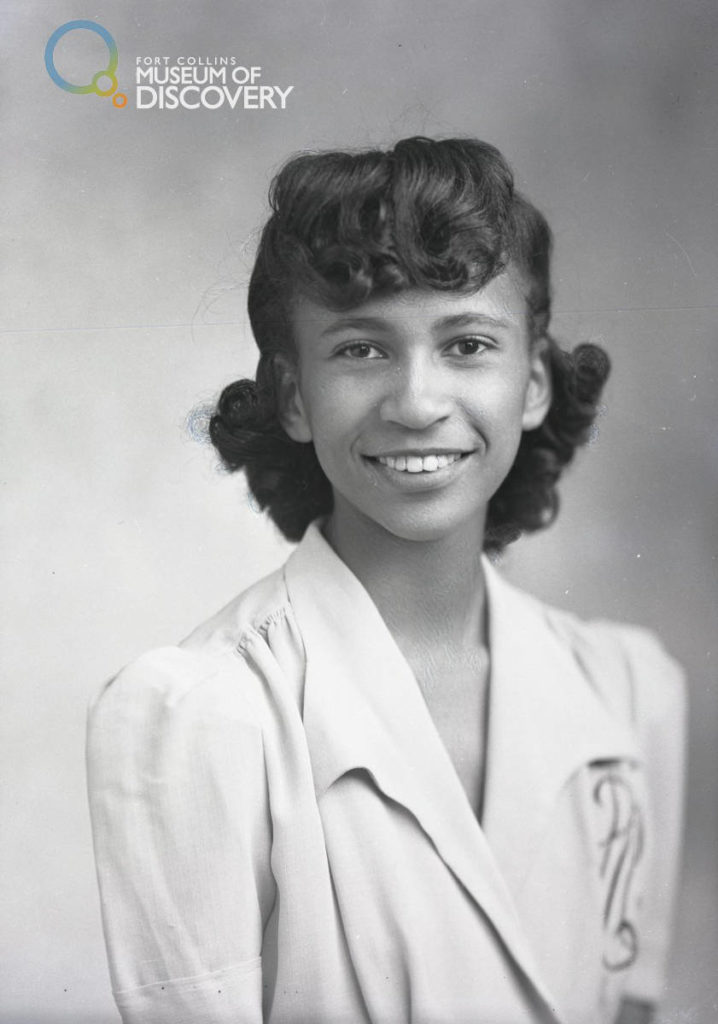
This #ArchivesHashtagParty we’re exploring local African American history with #ArchivesBlackEducation. Pictured here is Ella Mae Cook, Fort Collins Resident from about 1931 to 1944.

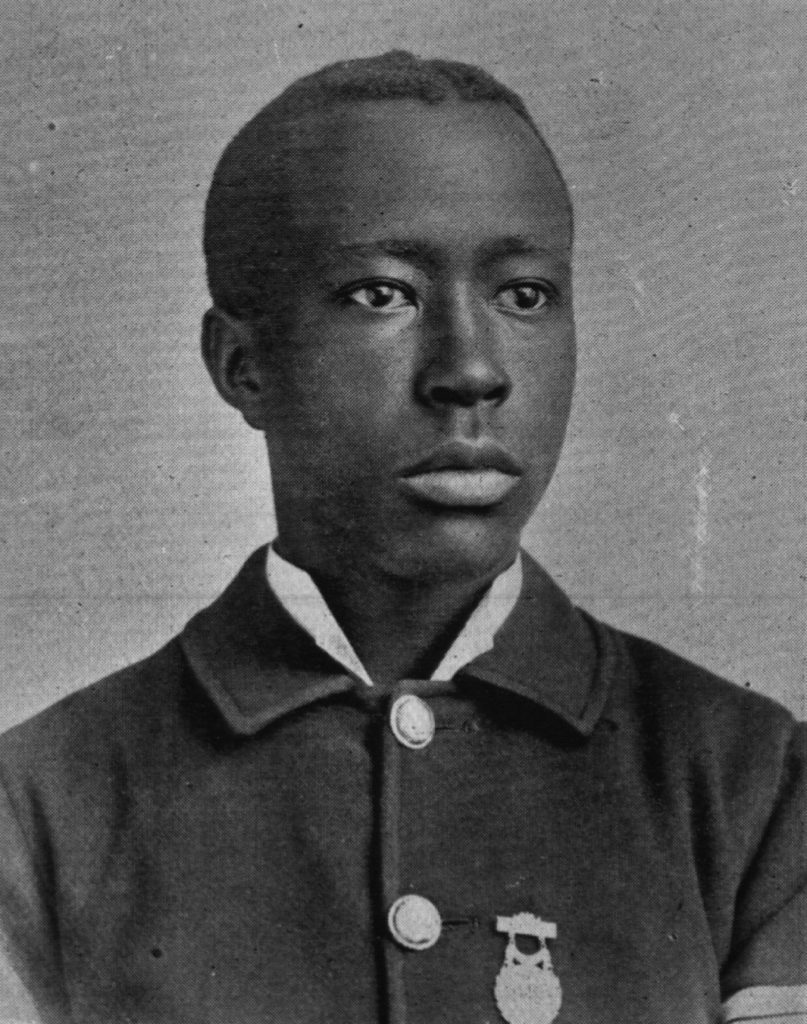
Grafton St. Clair Norman was the first Black student to attend and graduate from CSU, then Colorado Agricultural College. He became the 2nd lieutenant in the Army and teacher in Kentucky. This photo appeared in the 1896 CAC yearbook.

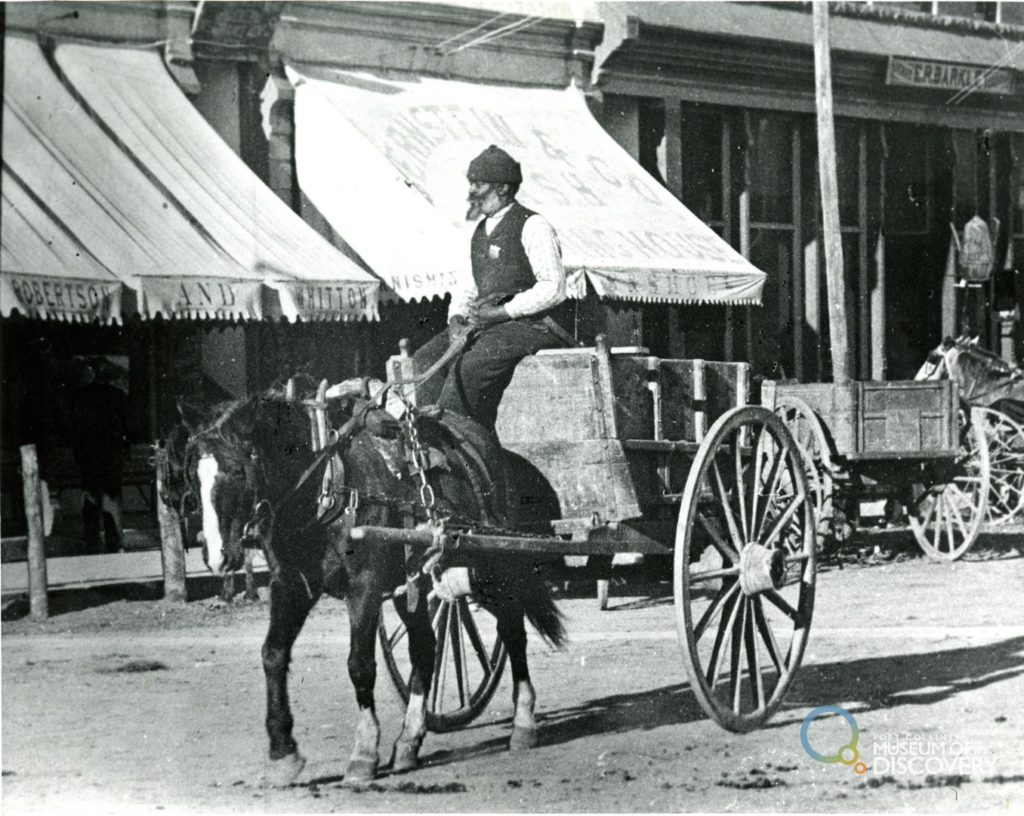
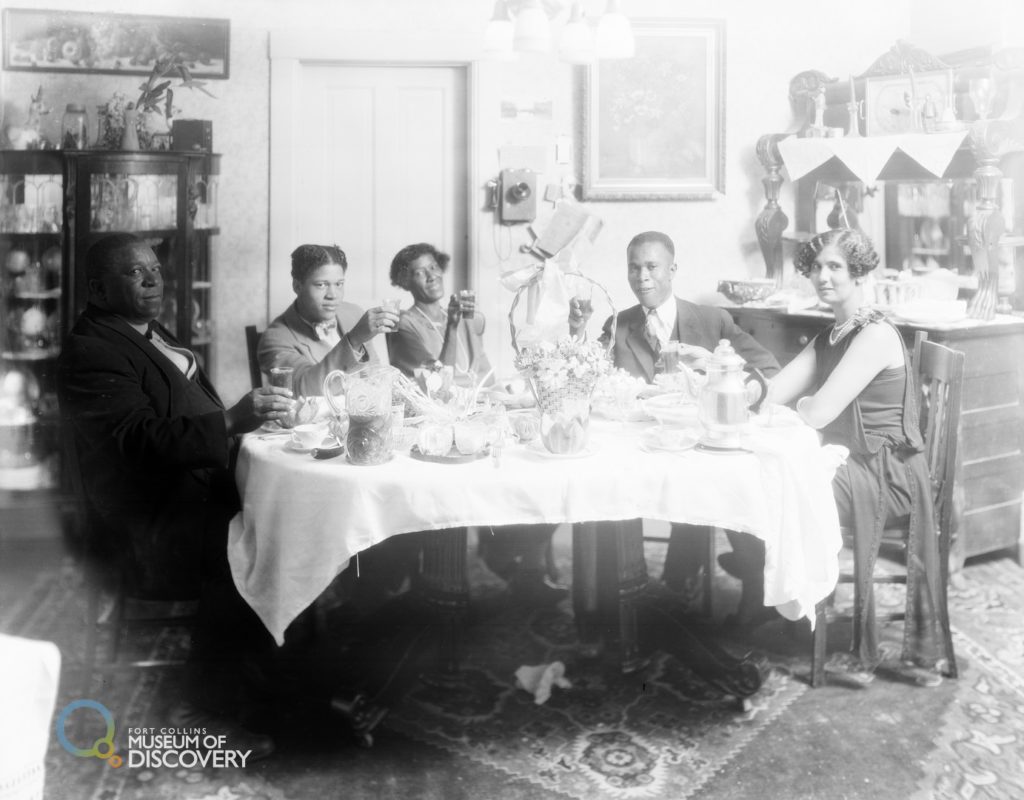
Charley Clay arrived in Colorado in 1864. By the early 1900s, the Clay home was a center of Black social life in Larimer County, hosting groups such as the local chapter of the Paul Laurence Dunbar Literary Society.

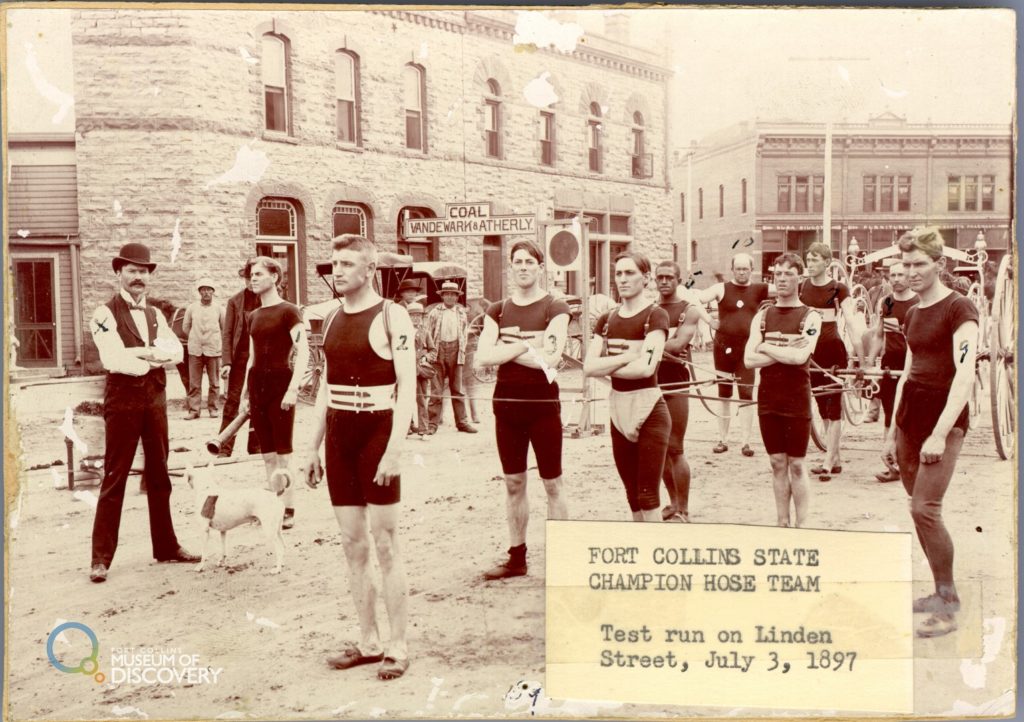
William Clay, son of Charley Clay, served with the Fort Collins Volunteer Fire Department in the 1890s and was a member of the State Champion Hose Team in 1897.

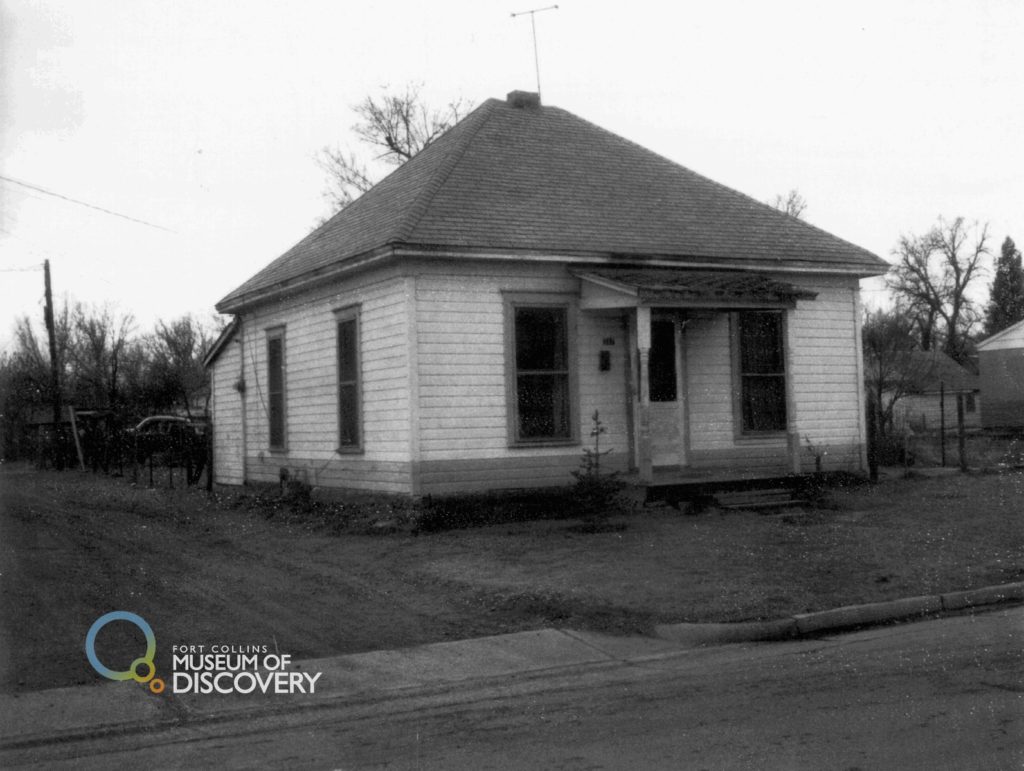
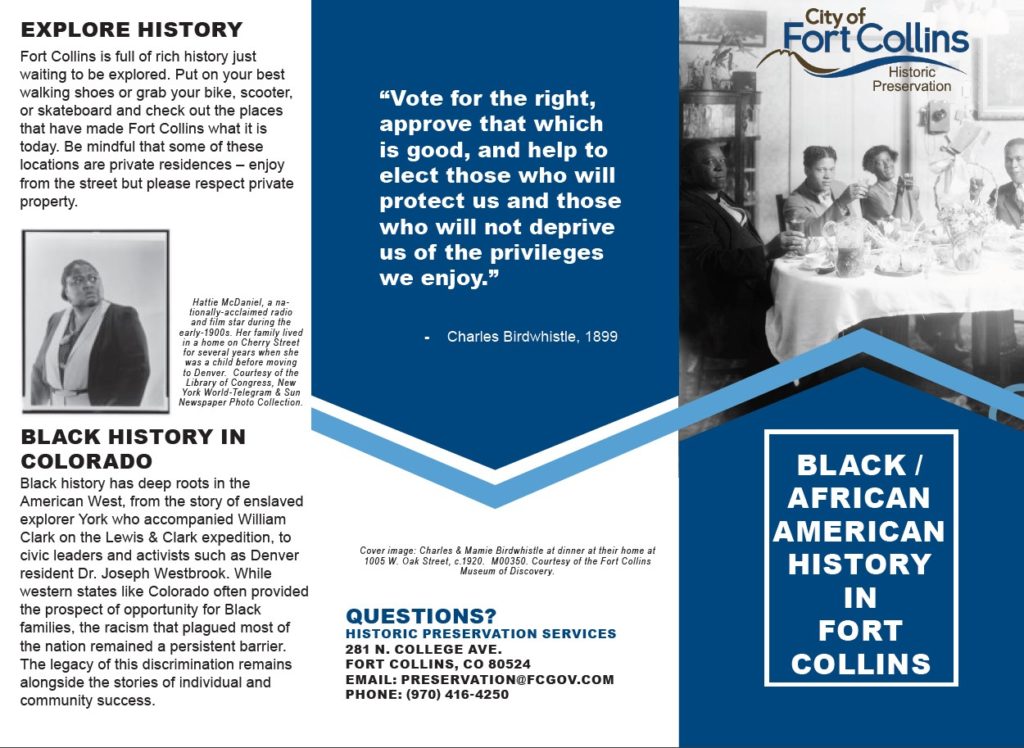
As a child, Academy Award winning film star Hattie McDaniel briefly lived in this home on Cherry Street in Fort Collins and attended Franklin School. She would later move to Denver on her way to Hollywood.

In March of 1939, Mattie Lyle sued the owner of the State Theater in Fort Collins for discrimination and won damager. Her daughter Joyce, pictured here, served as a witness to her mother’s testimony.

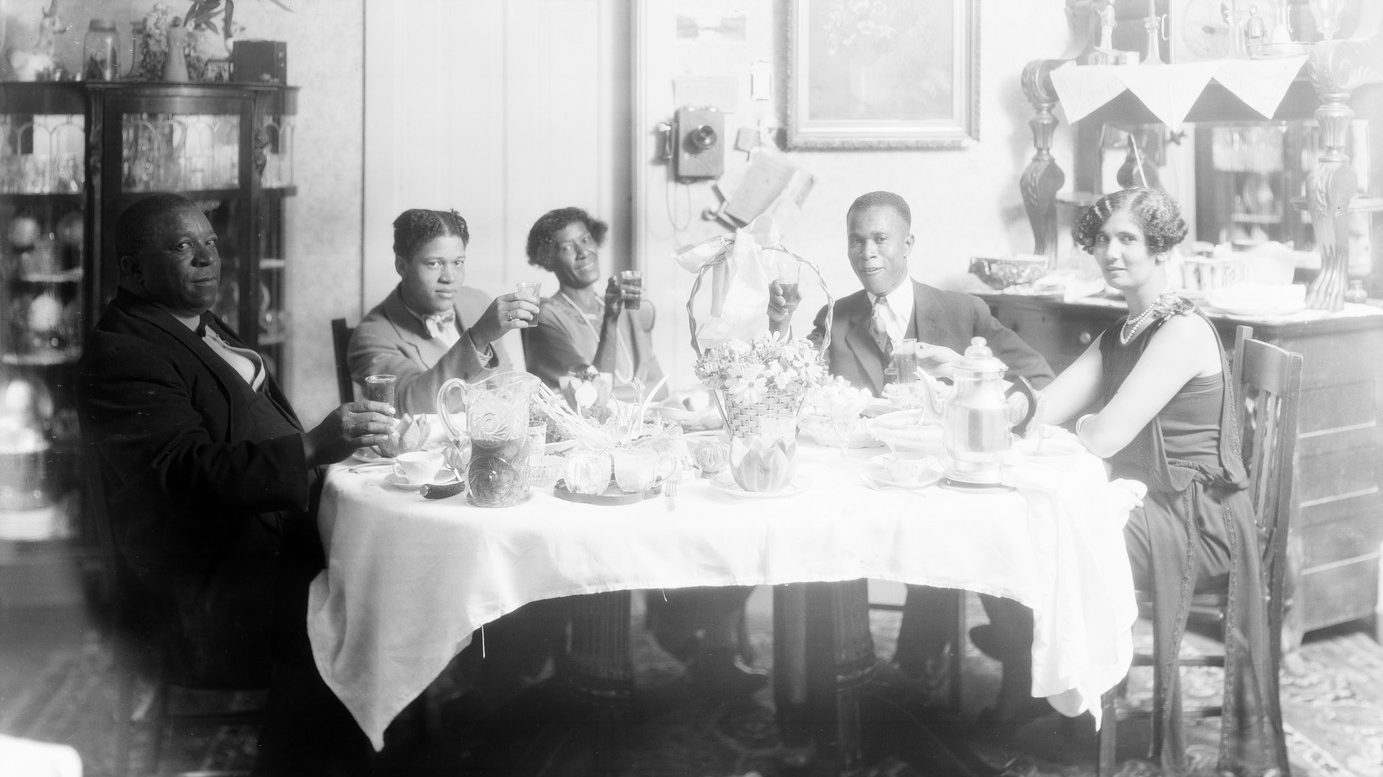
During the 1920s, ’30s, and ’40s, Charles and Mamie Birdwhitle’s home on Oak Street in Fort Collins was a gathering spot for Black gospel groups, jazz orchestras, and scholars visiting Northern Colorado.

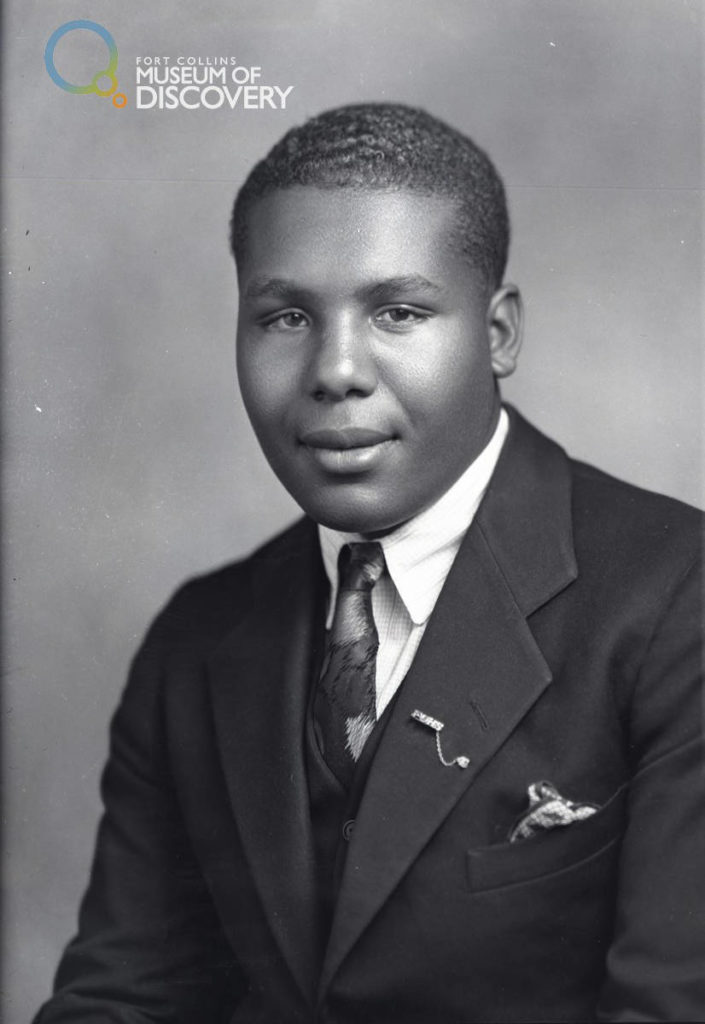
Virgil Thomas was a star left tackle – and the only Black player – for the Fort Collins High School Lambkins in the late 1930s.

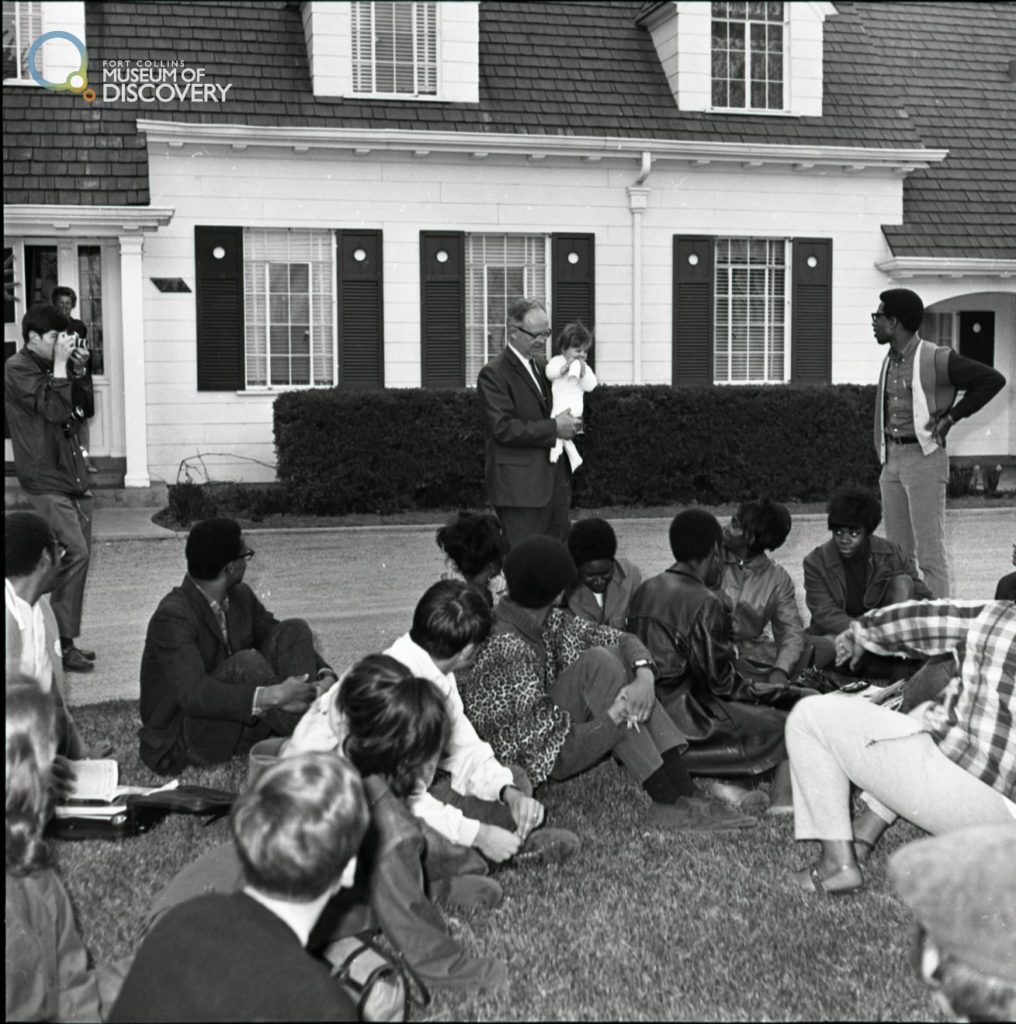
In 1969, members of the Mexican-American Committee for Equality & the Black Student Assn. demanded more recruitment of minority students and faculty. Shown here is a protest they held at the home of college president William Morgan.

That wraps up this month’s #ArchivesHashtagParty! Explore more Black history with a walking tour from our friends at the Fort Collins History Preservation Department.

Thanks for tuning in! We’ll share next month’s #ArchivesHashtagParty content with you back here on the blog.

Continue Reading